Brand & Compliance
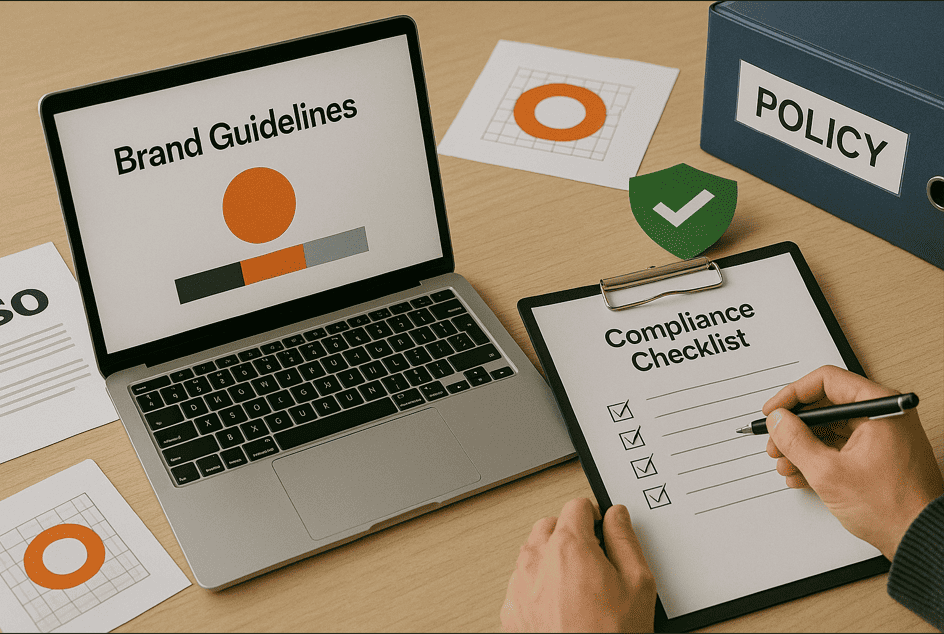
Brand & Compliance
In the world of e-commerce, the relationship between brand and compliance plays a critical role in a business’s long-term success. In both global and local markets, a brand’s credibility and regulatory compliance help build strong customer trust and create a competitive advantage. So why is brand compliance so important, and how should it be positioned within your e-commerce strategy?
What Is a Brand?
A brand represents a company’s identity, values, and vision.
It consists of:
- Visual elements such as logos, colors, and typography
- Verbal elements such as messaging and slogans
Beyond visuals, a brand is shaped by:
- Customer experience
- Product quality
- Customer service standards
In your e-commerce presence, all of these elements must be reflected consistently across every touchpoint.
What Is Compliance?
Compliance refers to a business’s alignment with legal regulations, industry standards, and local market rules.
For e-commerce businesses, this includes:
- Tax regulations
- Consumer protection laws
- Data security and privacy requirements
Compliance is not just a legal obligation — it is also a key trust factor for customers.
The Relationship Between Brand and Compliance
Brand and compliance go far beyond fulfilling legal requirements.
When a strong brand operates in full compliance:
- Customers feel safer
- Trust increases
- Brand value is reinforced
For example, selling products that meet safety and quality standards directly reflects a brand’s values and builds customer confidence. Similarly, compliance with data protection and privacy regulations demonstrates not only legal responsibility but also a brand’s respect for customer rights.
Brand & Compliance Strategies for E-Commerce Businesses
- Comply with All Legal Requirements: Ensure that everything from product descriptions to payment systems complies with local regulations. Pay special attention to data protection laws such as KVKK and GDPR.
- Maintain Consistent Brand Identity: Colors, typography, and visuals should remain consistent across all digital platforms. Consistency strengthens brand recognition and trust.
- Prioritize Quality: Product descriptions should be accurate and complete, images should be high quality, and product features should be presented clearly. Quality directly supports both brand credibility and compliance.
- Clearly Define Return & Warranty Policies: Create return and warranty policies that comply with regulations and are easy for customers to understand. Transparency builds trust.
- Respect Customer Privacy: Collect user data only with legal consent and store it securely. Data privacy is one of the most critical compliance areas in e-commerce.
Conclusion
A strong connection between brand and compliance does more than meet legal requirements — it builds customer loyalty, strengthens brand credibility, and supports sustainable growth.
At E-Commerce Target, we provide e-commerce solutions that help brands grow by:
- Strengthening brand identity
- Ensuring regulatory and operational compliance
We support businesses in scaling confidently by managing both sides of this equation.